
ভূমিকা · Introduction
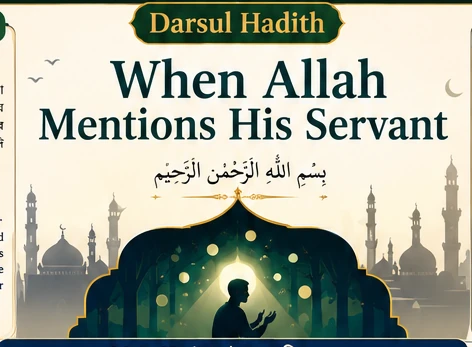
بِسْمِ اللهِ الرَّحْمٰنِ الرَّحِيْمِ
সকল প্রশংসা আল্লাহর জন্য, যিনি আমাদের সৃষ্টি করেছেন, জীবন দিয়েছেন, ঈমানের আলো দিয়েছেন এবং তাঁর স্মরণে হৃদয়ের প্রশান্তি রেখেছেন। দরুদ ও সালাম বর্ষিত হোক প্রিয় নবী মুহাম্মাদ ﷺ-এর উপর, তাঁর পরিবারবর্গ, সাহাবায়ে কেরাম এবং কিয়ামত পর্যন্ত তাঁর অনুসারীদের উপর।
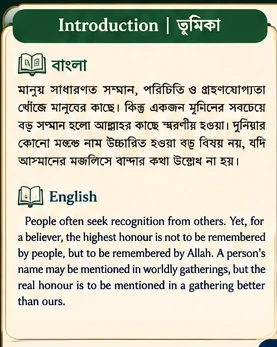
মানুষ সাধারণত সম্মান, পরিচিতি ও গ্রহণযোগ্যতা খোঁজে মানুষের কাছে। কিন্তু একজন মুমিনের সবচেয়ে বড় সম্মান হলো আল্লাহর কাছে স্মরণীয় হওয়া। দুনিয়ার কোনো মঞ্চে নাম উচ্চারিত হওয়া বড় বিষয় নয়, যদি আসমানের মজলিসে বান্দার কথা উল্লেখ না হয়। আবার দুনিয়ার মানুষ যদি কাউকে ভুলেও যায়, কিন্তু আল্লাহ তাকে স্মরণ করেন, তাহলে সেটিই তার প্রকৃত সফলতা।
আজকের দারসুল হাদিসের মূল বিষয় হলো আল্লাহর স্মরণ, বান্দার প্রতি আল্লাহর নৈকট্য, যিকিরের মজলিসের মর্যাদা এবং একটি মজলিস কীভাবে সুন্নাহসম্মতভাবে শেষ করা যায়।
All praise belongs to Allah, who created us, gave us life, blessed us with īmān, and placed tranquillity in His remembrance. Peace and blessings be upon the Prophet Muhammad ﷺ, his family, his Companions, and all those who follow his path until the Day of Judgement.
People often seek recognition from others. Yet, for a believer, the highest honour is not to be remembered by people, but to be remembered by Allah. A person’s name may be mentioned in worldly gatherings, but the real honour is to be mentioned in a gathering better than ours.
This Darsul Hadith reflects on the remembrance of Allah, Allah’s nearness to His servant, the honour of gatherings of dhikr, and the Prophetic etiquette of closing a gathering.
মূল হাদিস · Main Hadith
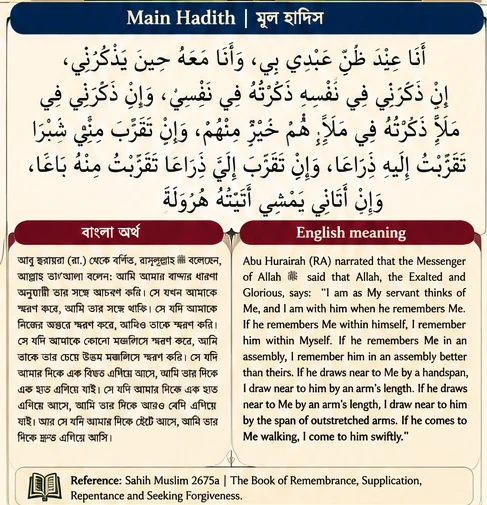
أَنَا عِنْدَ ظَنِّ عَبْدِي بِي، وَأَنَا مَعَهُ حِينَ يَذْكُرُنِي، إِنْ ذَكَرَنِي فِي نَفْسِهِ ذَكَرْتُهُ فِي نَفْسِي، وَإِنْ ذَكَرَنِي فِي مَلَإٍ ذَكَرْتُهُ فِي مَلَإٍ هُمْ خَيْرٌ مِنْهُمْ، وَإِنْ تَقَرَّبَ مِنِّي شِبْرًا تَقَرَّبْتُ إِلَيْهِ ذِرَاعًا، وَإِنْ تَقَرَّبَ إِلَيَّ ذِرَاعًا تَقَرَّبْتُ مِنْهُ بَاعًا، وَإِنْ أَتَانِي يَمْشِي أَتَيْتُهُ هَرْوَلَةً
আবু হুরায়রা (রা.) থেকে বর্ণিত, রাসূলুল্লাহ ﷺ বলেছেন, আল্লাহ তা‘আলা বলেন: আমি আমার বান্দার ধারণা অনুযায়ী তার সঙ্গে আচরণ করি। সে যখন আমাকে স্মরণ করে, আমি তার সঙ্গে থাকি। সে যদি আমাকে নিজের অন্তরে স্মরণ করে, আমিও তাকে স্মরণ করি। সে যদি আমাকে কোনো মজলিসে স্মরণ করে, আমি তাকে তার চেয়ে উত্তম মজলিসে স্মরণ করি। সে যদি আমার দিকে এক বিঘত এগিয়ে আসে, আমি তার দিকে এক হাত এগিয়ে যাই। সে যদি আমার দিকে এক হাত এগিয়ে আসে, আমি তার দিকে আরও বেশি এগিয়ে যাই। আর সে যদি আমার দিকে হেঁটে আসে, আমি তার দিকে দ্রুত এগিয়ে আসি।
Abu Hurairah (RA) narrated that the Messenger of Allah ﷺ said that Allah, the Exalted and Glorious, says: “I am as My servant thinks of Me, and I am with him when he remembers Me. If he remembers Me within himself, I remember him within Myself. If he remembers Me in an assembly, I remember him in an assembly better than theirs. If he draws near to Me by a handspan, I draw near to him by an arm’s length. If he draws near to Me by an arm’s length, I draw near to him by the span of outstretched arms. If he comes to Me walking, I come to him swiftly.”
Reference: Sahih Muslim 2675a The Book of Remembrance, Supplication, Repentance and Seeking Forgiveness.
রাবীর সংক্ষিপ্ত পরিচয় · Short Note on the Narrator
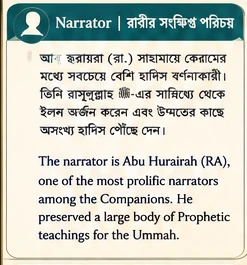
এই হাদিসের রাবী হলেন আবু হুরায়রা (রা.)। তিনি সাহাবায়ে কেরামের মধ্যে সবচেয়ে বেশি হাদিস বর্ণনাকারী হিসেবে পরিচিত। তিনি রাসূলুল্লাহ ﷺ-এর সান্নিধ্যে থেকে ইলম অর্জন করেন এবং উম্মতের কাছে অসংখ্য হাদিস পৌঁছে দেন। তাঁর বর্ণিত হাদিসগুলো ইসলামী জ্ঞান, ইবাদত, আখলাক, দোয়া, যিকির এবং আখিরাতের প্রস্তুতির ক্ষেত্রে অত্যন্ত গুরুত্বপূর্ণ।
The narrator of this hadith is Abu Hurairah (RA), one of the most prolific narrators of hadith among the Companions. He remained close to the Prophet ﷺ and preserved a large body of Prophetic teachings for the Ummah. His narrations cover many areas of faith, worship, character, remembrance, supplication, and preparation for the Hereafter.
হাদিসের মূল বার্তা · Key Message
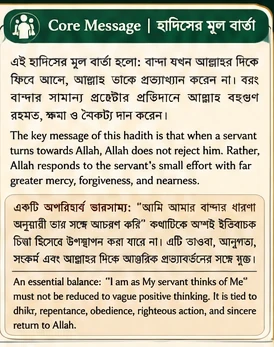
এই হাদিসের মূল বার্তা হলো: বান্দা যখন আল্লাহর দিকে ফিরে আসে, আল্লাহ তাকে প্রত্যাখ্যান করেন না। বরং বান্দার সামান্য প্রচেষ্টার প্রতিদানে আল্লাহ বহুগুণ রহমত, ক্ষমা ও নৈকট্য দান করেন।
মানুষ অনেক সময় নিজের গুনাহ, দুর্বলতা, ব্যর্থতা এবং অতীতের ভুলের কারণে হতাশ হয়ে পড়ে। সে ভাবে, আল্লাহ কি আমাকে ক্ষমা করবেন? আল্লাহ কি আমার দোয়া শুনবেন? আল্লাহ কি আমার মতো দুর্বল বান্দাকে গ্রহণ করবেন? এই হাদিস সেই হতাশার দরজা বন্ধ করে আশার দরজা খুলে দেয়। তবে এই আশা অলসতার নাম নয়। আল্লাহর প্রতি সুধারণা মানে গুনাহের উপর স্থির থাকা নয়। বরং এর অর্থ হলো তাওবা করা, আল্লাহর দিকে ফিরে আসা, আমল শুরু করা এবং আল্লাহর রহমতের ব্যাপারে আশাবাদী থাকা।
The key message of this hadith is that when a servant turns towards Allah, Allah does not reject him. Rather, Allah responds to the servant’s small effort with far greater mercy, forgiveness, and nearness.
Many people become overwhelmed by their sins, weaknesses, failures, and past mistakes. They wonder whether Allah will forgive them, accept their du‘ā, or allow them to return. This hadith closes the door of despair and opens the door of hope. But hope must not be confused with carelessness. Thinking well of Allah does not mean remaining in sin. It means repenting, returning to Allah, beginning righteous action, and trusting in Allah’s mercy.
একটি অপরিহার্য ভারসাম্য: “আমি আমার বান্দার ধারণা অনুযায়ী তার সঙ্গে আচরণ করি” কথাটিকে অস্পষ্ট ইতিবাচক চিন্তা হিসেবে উপস্থাপন করা যাবে না। এই আশা যিকির, তাওবা, আনুগত্য, সৎকর্ম এবং আল্লাহর দিকে আন্তরিক প্রত্যাবর্তনের সঙ্গে যুক্ত।
An essential balance: “I am as My servant thinks of Me” must not be reduced to vague positive thinking. This hope is tied to dhikr, repentance, obedience, righteous action, and sincere return to Allah.
আলেমদের ব্যাখ্যা · Scholarly Explanation
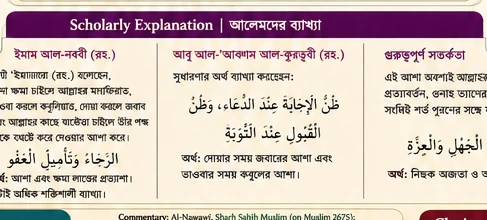
ইমাম আল-নববী (রহ.) এই হাদিসের ব্যাখ্যায় ক্বাযী ʿইয়ায (রহ.)-এর বক্তব্য উদ্ধৃত করেছেন। তাঁর ব্যাখ্যা অনুযায়ী, বান্দা ক্ষমা চাইলে আল্লাহর মাগফিরাত, তাওবা করলে কবুলিয়াত, দোয়া করলে জবাব এবং আল্লাহর কাছে যথেষ্টতা চাইলে তাঁর পক্ষ থেকে যথেষ্ট করে দেওয়ার আশা রাখে। এসবই আল্লাহর প্রতি সুধারণা ও দৃঢ় বিশ্বাসের প্রকাশ।
الرَّجَاءُ وَتَأْمِيلُ الْعَفْوِ
অর্থ: আশা এবং ক্ষমা লাভের প্রত্যাশা।
ইমাম আল-নববী (রহ.) এই ব্যাখ্যাটিকেই অধিক শক্তিশালী বলেছেন। অর্থাৎ একজন মুমিন আল্লাহর রহমত ও ক্ষমার বিষয়ে আশাবাদী থাকবে, বিশেষত যখন সে আন্তরিকভাবে ইস্তিগফার, তাওবা, দোয়া ও আনুগত্যের মাধ্যমে আল্লাহর দিকে ফিরে আসে।
আবু আল-ʿআব্বাস আল-কুরতুবী (রহ.) সুধারণার অর্থ ব্যাখ্যা করেছেন দোয়ার সময় জবাবের আশা এবং তাওবার সময় কবুলের আশা হিসেবে:
ظَنُّ الإِجَابَةِ عِنْدَ الدُّعَاءِ، وَظَنُّ الْقَبُولِ عِنْدَ التَّوْبَةِ
অর্থ: দোয়ার সময় জবাবের আশা এবং তাওবার সময় কবুলের আশা।
তবে তিনি একটি মৌলিক শর্ত স্পষ্ট করেছেন: এই আশা অবশ্যই আল্লাহর দিকে প্রকৃত প্রত্যাবর্তন, গুনাহ ত্যাগের চেষ্টা এবং সংশ্লিষ্ট আমলের শর্ত পূরণের সঙ্গে যুক্ত হতে হবে। ইচ্ছাকৃতভাবে গুনাহে অটল থেকে শুধু ক্ষমার আশা করাকে তিনি বলেছেন:
مَحْضُ الْجَهْلِ وَالْعِزَّةِ
অর্থ: নিছক অজ্ঞতা ও আত্মপ্রবঞ্চনা।
অতএব, হুসনুয্-যান বিল্লাহ বা আল্লাহর প্রতি সুধারণা হলো নিষ্ক্রিয় কামনা নয়। এটি তাওবা, সংশোধন, আমল এবং আল্লাহর প্রতিশ্রুতির প্রতি দৃঢ় আস্থাসম্পন্ন আশা।
In his commentary on this hadith, Imam al-Nawawī transmits the explanation of Qāḍī ʿIyāḍ. The servant expects Allah’s forgiveness when seeking forgiveness, acceptance when repenting, an answer when calling upon Him, and sufficiency when seeking Allah’s sufficiency. These responses reflect sound expectation of Allah and firm confidence in Him.
الرَّجَاءُ وَتَأْمِيلُ الْعَفْوِ
Meaning: Hope and the expectation of pardon.
Al-Nawawī identifies this as the stronger interpretation. A believer therefore hopes in Allah’s mercy and pardon, particularly while returning to Him through sincere istighfār, repentance, supplication, and obedience.
Abū al-ʿAbbās al-Qurṭubī explains sound expectation as expecting an answer when making du‘ā and acceptance when repenting:
ظَنُّ الإِجَابَةِ عِنْدَ الدُّعَاءِ، وَظَنُّ الْقَبُولِ عِنْدَ التَّوْبَةِ
Meaning: Expecting an answer when supplicating and acceptance when repenting.
He immediately establishes an essential condition: such hope must accompany genuine return to Allah, an effort to abandon sin, and fulfilment of the relevant conditions of the deed. Expecting forgiveness while deliberately persisting in sin is described as:
مَحْضُ الْجَهْلِ وَالْعِزَّةِ
Meaning: Pure ignorance and self-deception.
Good expectation of Allah is therefore not passive wishfulness. It is hope grounded in repentance, reform, action, and confidence in Allah’s truthful promise.
Commentary: Al-Nawawī, Sharḥ Ṣaḥīḥ Muslim, commentary on Muslim 2675; Abū al-ʿAbbās al-Qurṭubī, Al-Mufhim limā Ashkala min Talkhīṣ Kitāb Muslim.
মূল শব্দের ব্যাখ্যা · Explanation of Key Terms
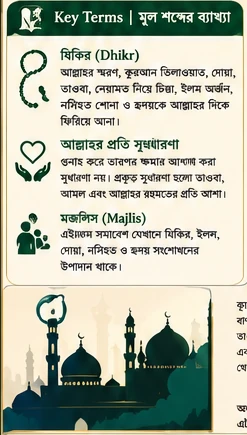
যিকির
যিকির শুধু তাসবিহ পড়ার নাম নয়। আল্লাহর নাম স্মরণ করা, কুরআন তিলাওয়াত করা, দোয়া করা, তাওবা করা, আল্লাহর নেয়ামত নিয়ে চিন্তা করা, কুরআন-হাদিস শেখা, দ্বীনি নসিহত শোনা এবং হৃদয়কে আল্লাহর দিকে ফিরিয়ে আনা, এগুলো সবই যিকিরের অন্তর্ভুক্ত।
আল্লাহর প্রতি সুধারণা
আল্লাহর প্রতি সুধারণা মানে এই নয় যে মানুষ গুনাহ করবে, দায়িত্বহীন থাকবে, তারপর বলবে আল্লাহ ক্ষমাশীল। এটি সুধারণা নয়, আত্মপ্রবঞ্চনা। প্রকৃত সুধারণা হলো বান্দা নিজের ভুল স্বীকার করবে, তাওবা করবে, আমল করবে এবং আল্লাহর রহমতের প্রতি আশা রাখবে।
মজলিস
মজলিস বলতে এমন সমাবেশ বোঝায় যেখানে মানুষ একত্র হয়। এটি মসজিদের দারস হতে পারে, পারিবারিক হালাকা হতে পারে, কুরআন শিক্ষার আসর হতে পারে, যুবকদের ইসলামী আলোচনা হতে পারে, অথবা কোনো কমিউনিটি প্রোগ্রাম হতে পারে। তবে শুধু সামাজিক আড্ডাকে যিকিরের মজলিস বলা যাবে না। মজলিস তখনই যিকিরের মজলিস হয়, যখন সেখানে আল্লাহর স্মরণ, ইলম, দোয়া, নসিহত এবং হৃদয় সংশোধনের উপাদান থাকে।
Dhikr
Dhikr is not limited to repeating phrases of remembrance. It includes remembering Allah with the tongue and the heart, reciting the Qur’an, making du‘ā, repenting, reflecting on Allah’s blessings, learning Qur’an and hadith, listening to sincere reminders, and turning the heart back to Allah.
Thinking well of Allah
Thinking well of Allah does not mean committing sins carelessly and then claiming that Allah is forgiving. That is self-deception. True hope means admitting one’s faults, repenting, acting, and trusting Allah’s mercy.
Majlis
A majlis is a gathering. It may be a mosque dars, a family halaqah, a Qur’an class, a youth discussion, or a community programme. However, an ordinary social gathering should not automatically be called a gathering of dhikr. It becomes a gathering of dhikr when it includes remembrance of Allah, knowledge, du‘ā, sincere advice, and purification of the heart.
হাদিসের ব্যাখ্যা · Explanation of the Hadith
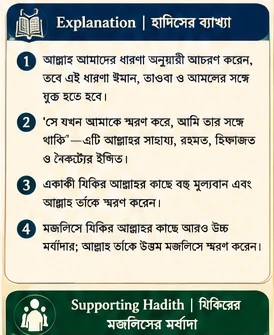
এই হাদিসের প্রথম অংশে আল্লাহ বলেন, “আমি আমার বান্দার ধারণা অনুযায়ী তার সঙ্গে আচরণ করি।” অর্থাৎ বান্দা যদি আল্লাহর রহমত, ক্ষমা, দয়া ও সাহায্যের ব্যাপারে সঠিক আশা রাখে, আল্লাহ তাকে সেই আশার চেয়েও বেশি দান করতে সক্ষম। তবে এই আশা অবশ্যই ঈমান, তাওবা ও আমলের সঙ্গে যুক্ত হতে হবে।
দ্বিতীয় অংশে বলা হয়েছে, “সে যখন আমাকে স্মরণ করে, আমি তার সঙ্গে থাকি।” এখানে আল্লাহর সঙ্গে থাকা বলতে শারীরিক উপস্থিতি বোঝানো হয়নি। বরং এর অর্থ হলো আল্লাহর সাহায্য, রহমত, তাওফিক, হিফাজত ও নৈকট্য। একজন মানুষ যখন আল্লাহকে ভুলে যায়, তখন সে নিজের দুর্বলতা, ভয়, দুশ্চিন্তা ও গুনাহের মধ্যে ডুবে যায়। আর যখন সে আল্লাহকে স্মরণ করে, তখন তার হৃদয়ে স্থিরতা আসে, জীবনের দিক স্পষ্ট হয় এবং সে নিজের অবস্থাকে সংশোধনের শক্তি পায়।
তৃতীয় অংশে বলা হয়েছে, বান্দা যদি একাকী আল্লাহকে স্মরণ করে, আল্লাহ তাকে স্মরণ করেন। এই অংশ ব্যক্তিগত ইবাদতের মর্যাদা বোঝায়। রাতের দোয়া, একান্ত তাওবা, নীরব অশ্রু, একাকী তাসবিহ, মানুষের চোখের আড়ালে করা ভালো কাজ, এগুলো মানুষের কাছে অদৃশ্য হলেও আল্লাহর কাছে অদৃশ্য নয়।
চতুর্থ অংশে বলা হয়েছে, বান্দা যদি কোনো মজলিসে আল্লাহকে স্মরণ করে, আল্লাহ তাকে তার চেয়ে উত্তম মজলিসে স্মরণ করেন। এটি দারস, হালাকা, কুরআন শিক্ষা, হাদিস শিক্ষা, ইসলামী আলোচনা এবং নসিহতের মজলিসের বিরাট মর্যাদা প্রমাণ করে। মুমিনের জন্য এর চেয়ে বড় সম্মান আর কী হতে পারে যে, সে দুনিয়ার একটি ছোট মজলিসে আল্লাহকে স্মরণ করল, আর আল্লাহ তাকে ফেরেশতাদের মজলিসে স্মরণ করলেন।
The hadith begins with Allah saying that He treats His servant according to the servant’s expectation of Him. This means that when a servant has a sound hope in Allah’s mercy, forgiveness, kindness, and help, Allah can grant him more than he expects. However, this hope must be connected to īmān, repentance, and action.
The second part says that Allah is with the servant when the servant remembers Him. This does not refer to physical presence. It refers to Allah’s help, mercy, protection, guidance, and nearness. When a person forgets Allah, he becomes trapped in weakness, anxiety, heedlessness, and sin. When he remembers Allah, his heart gains direction and strength.
The third part teaches the value of private worship. When a servant remembers Allah privately, Allah remembers him. Private du‘ā, sincere repentance, quiet tears, hidden charity, and private acts of worship may be unseen by people, but they are never unseen by Allah.
The fourth part teaches the value of public remembrance. When a servant remembers Allah in a gathering, Allah mentions him in a better gathering. This gives great honour to dars, halaqah, Qur’an study, hadith study, Islamic discussion, and sincere reminders. What honour could be greater than remembering Allah in a small gathering on earth and being mentioned by Allah in a gathering of angels?
যিকিরের মজলিসের মর্যাদা · The Honour of Gatherings of Dhikr
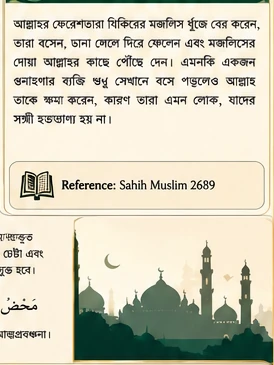
সহিহ মুসলিমের আরেকটি হাদিসে এসেছে, আল্লাহর কিছু ফেরেশতা আছেন যারা যিকিরের মজলিস খুঁজে বেড়ান। যখন তারা এমন মজলিস পান, তারা সেখানে বসেন এবং নিজেদের ডানা দিয়ে উপস্থিত লোকদের ঘিরে ফেলেন। মজলিস শেষ হলে তারা আসমানে ফিরে যান। আল্লাহ তাঁদের জিজ্ঞেস করেন, যদিও তিনি সব জানেন, তাঁর বান্দারা কী করছিল। ফেরেশতারা বলেন, তারা আল্লাহর তাসবিহ, তাকবির, তাহলিল, তাহমিদ করছিল, জান্নাত চাইছিল, জাহান্নাম থেকে আশ্রয় চাইছিল এবং ক্ষমা প্রার্থনা করছিল। তখন আল্লাহ তাঁদের ক্ষমা করেন, তাঁদের চাওয়া দান করেন এবং যেখান থেকে তারা আশ্রয় চেয়েছে সেখান থেকে আশ্রয় দেন। এমনকি একজন গুনাহগার ব্যক্তি শুধু সেখানে বসে পড়েছিল, তাকেও আল্লাহ ক্ষমা করেন, কারণ তারা এমন লোক, যাদের সঙ্গী হতভাগ্য হয় না।
এখানে একটি গুরুত্বপূর্ণ সতর্কতা আছে। এই হাদিস দিয়ে খালি সামাজিকতা, আনুষ্ঠানিকতা বা নামমাত্র ধর্মীয় আয়োজনকে যিকিরের মজলিস বলা ঠিক নয়। মজলিসের মর্যাদা তখনই হবে, যখন সেখানে সত্যিকার অর্থে আল্লাহর স্মরণ, ইলম, দোয়া, তাওবা, নসিহত এবং আত্মসংশোধনের আহ্বান থাকবে।
Another narration in Sahih Muslim describes angels who search for gatherings of dhikr. When they find such a gathering, they sit with the people and surround them with their wings. When the gathering ends, they ascend, and Allah asks them what His servants were doing, although He already knows. The angels mention that the people were glorifying Allah, praising Him, declaring His greatness and oneness, asking for Paradise, seeking protection from Hell, and asking forgiveness. Allah then forgives them, grants what they ask, and protects them from what they fear. Even a sinful person who merely sat with them is included in that mercy, because the companions of such people are not deprived.
A caution is necessary here. This hadith should not be used to label every social or ceremonial event as a gathering of dhikr. The virtue belongs to a gathering that genuinely includes remembrance of Allah, knowledge, du‘ā, repentance, sincere advice, and moral reform.
Reference: Sahih Muslim 2689
বাস্তব প্রয়োগ · Practical Application
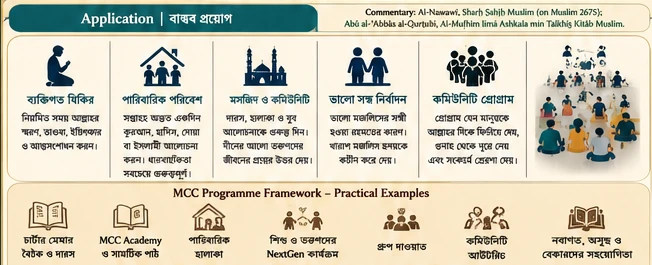
এই হাদিসগুলো আমাদের ব্যক্তিগত, পারিবারিক ও সামাজিক জীবনের জন্য গুরুত্বপূর্ণ দিকনির্দেশনা দেয়।
প্রথমত, ব্যক্তিগত যিকিরকে নিয়মিত করতে হবে। একজন মুমিনের জীবনে এমন কিছু সময় থাকা উচিত, যখন সে একা আল্লাহকে স্মরণ করবে, নিজের গুনাহের জন্য ক্ষমা চাইবে, আল্লাহর নেয়ামত নিয়ে চিন্তা করবে এবং নিজের হৃদয়কে সংশোধন করবে।
দ্বিতীয়ত, ঘরে যিকির ও ইলমের পরিবেশ তৈরি করতে হবে। পরিবারের সবাই মিলে সপ্তাহে অন্তত একদিন কুরআন, হাদিস, দোয়া বা কোনো ইসলামী বিষয় নিয়ে ছোট আলোচনা করতে পারে। এটি বড় আয়োজন না হলেও চলবে। ধারাবাহিকতা বেশি গুরুত্বপূর্ণ।
তৃতীয়ত, মসজিদ ও কমিউনিটিতে দারস, হালাকা ও যুবকদের ইসলামী আলোচনাকে গুরুত্ব দিতে হবে। তরুণরা অনেক সময় ধর্মীয় আলোচনাকে কঠিন বা দূরের বিষয় মনে করে। অথচ সঠিকভাবে উপস্থাপন করলে দারসুল হাদিস তাদের জীবনের প্রশ্ন, দুশ্চিন্তা, পরিচয় সংকট, গুনাহ থেকে ফিরে আসা এবং আল্লাহর সঙ্গে সম্পর্ক গঠনের বাস্তব পথ দেখাতে পারে।
চতুর্থত, ভালো সঙ্গ নির্বাচন করতে হবে। সহিহ মুসলিম ২৬৮৯ দেখায় যে ভালো মজলিসের সঙ্গী হওয়াও রহমতের কারণ হতে পারে। বিপরীতভাবে, গাফেল, অশ্লীল, অহংকারী বা গুনাহপূর্ণ মজলিস মানুষের হৃদয়কে কঠিন করে দেয়।
সাম্প্রতিক MCC Convention 2026 থেকেও আমরা একটি বাস্তব উদাহরণ নিতে পারি। একটি কমিউনিটি কনভেনশন শুধু মানুষের দেখা-সাক্ষাৎ, আয়োজন বা সামাজিকতার মধ্যে সীমাবদ্ধ থাকলে তার প্রভাব সাময়িক হতে পারে। কিন্তু যখন সেখানে আল্লাহর স্মরণ, কুরআন-হাদিসের আলোচনা, দোয়া, ইসলামী শিক্ষা, ভালো নসিহত, শিশু-কিশোরদের জন্য দ্বীনি পরিবেশ এবং পারস্পরিক ভ্রাতৃত্ব থাকে, তখন সেই সমাবেশ একটি কল্যাণময় মজলিসে রূপ নিতে পারে।
তবে এখানে সতর্কতা প্রয়োজন। শুধু বড় আয়োজন, সুন্দর মঞ্চ, বেশি উপস্থিতি বা সামাজিক যোগাযোগকে যিকিরের মজলিস বলা যাবে না। যিকিরের মজলিস তখনই হবে, যখন সেই gathering মানুষের হৃদয়কে আল্লাহর দিকে ফিরিয়ে দেয়, গুনাহ থেকে দূরে যেতে সাহায্য করে, দ্বীনের জ্ঞান বাড়ায় এবং ভালো আমলের প্রেরণা দেয়।
এই দৃষ্টিকোণ থেকে MCC Convention 2026 আমাদের জন্য একটি স্মরণ করিয়ে দেওয়া বিষয়: আমাদের কমিউনিটি প্রোগ্রামগুলো যেন শুধু event না হয়, বরং আল্লাহর সন্তুষ্টি অর্জনের মাধ্যম হয়।
These hadiths give important guidance for personal, family, and community life.
First, private dhikr should become regular. A believer needs moments alone with Allah, asking forgiveness, reflecting on His blessings, and correcting the heart.
Second, homes should have an atmosphere of remembrance and knowledge. A family may set aside even a short weekly time for Qur’an, hadith, du‘ā, or Islamic discussion. It does not need to be long. Consistency matters more.
Third, mosques and communities should give importance to dars, halaqah, and youth circles. Many young people see religious learning as distant or difficult. A well-prepared Darsul Hadith can connect faith with real struggles: anxiety, identity, sin, repentance, family pressure, and the need for direction.
Fourth, good company matters. Sahih Muslim 2689 shows that even sitting with righteous people can become a means of mercy. The opposite is also true: careless, sinful, arrogant, or vulgar gatherings harden the heart.
The recent MCC Convention 2026 can also be used as a practical example. A community convention may remain only a social event if it is limited to meeting people, organising activities, and enjoying the programme. However, when such a gathering includes remembrance of Allah, Qur’an and hadith reminders, du‘ā, Islamic learning, sincere advice, a faith-based environment for children and youth, and brotherhood within the community, it can become a gathering of real spiritual value.
However, this point needs caution. A large event, a good stage, strong attendance, or social interaction alone should not automatically be called a gathering of dhikr. It becomes meaningful in the light of these hadiths only when it turns hearts towards Allah, encourages repentance, increases Islamic understanding, and motivates people towards righteous action.
From this angle, MCC Convention 2026 reminds us that our community programmes should not be merely events. They should become means of seeking Allah’s pleasure.
MCC programme framework থেকে আরও কিছু বাস্তব উদাহরণ: চার্টার মেম্বার বৈঠকে দারস ও সম্মিলিত পরিকল্পনা, MCC Academy ও সামষ্টিক পাঠ, পারিবারিক হালাকা, শিশু ও তরুণদের NextGen কার্যক্রম, গ্রুপ দাওয়াত, কমিউনিটি আউটরিচ এবং নবাগত ইমিগ্র্যান্ট, অসুস্থ ও বেকারদের সহযোগিতা—এসব উদ্যোগ একটি উপকারী মজলিসকে ব্যক্তিগত যিকির থেকে পরিবার, শিক্ষা, সেবা ও সমাজের দিকে বিস্তৃত করতে পারে। তবে এগুলোর লক্ষ্য যেন কেবল কার্যক্রম সম্পন্ন করা না হয়; বরং আল্লাহর স্মরণ, উপকারী জ্ঞান, আন্তরিক সম্পর্ক এবং সৎকর্মের অনুপ্রেরণা বৃদ্ধি করা হয়।
Further practical examples from MCC’s programme framework: charter-member meetings may combine dars with collective planning; MCC Academy and group learning can strengthen Islamic understanding; family halaqah can bring remembrance into the home; NextGen programmes can engage children and youth; and group da‘wah, community outreach, and support for newcomers, people experiencing illness, and unemployed community members can translate faith into service. These activities should not become routines performed without reflection. Their deeper purpose is to remember Allah, increase beneficial knowledge, strengthen sincere relationships, and inspire righteous action.
মজলিস শেষ করার সুন্নাহ · The Sunnah of Closing a Gathering
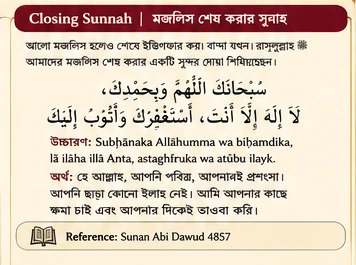
একটি মজলিস যতই ভালো হোক, শেষে ইস্তিগফার প্রয়োজন। কারণ কথার মধ্যে ভুল হতে পারে, মনোযোগের ঘাটতি হতে পারে, নিয়তে দুর্বলতা থাকতে পারে, অথবা অজান্তে কোনো ত্রুটি ঘটে যেতে পারে। তাই রাসূলুল্লাহ ﷺ আমাদের মজলিস শেষ করার একটি সুন্দর দোয়া শিখিয়েছেন।
No matter how beneficial a gathering may be, it should end with istighfar. Mistakes may occur in speech, attention may weaken, intentions may become mixed, or shortcomings may happen without being noticed. For this reason, the Prophet ﷺ taught a beautiful supplication for closing a gathering.
سُبْحَانَكَ اللَّهُمَّ وَبِحَمْدِكَ، لَا إِلَهَ إِلَّا أَنْتَ، أَسْتَغْفِرُكَ وَأَتُوبُ إِلَيْكَ
উচ্চারণ: Subḥānaka Allāhumma wa biḥamdika, lā ilāha illā Anta, astaghfiruka wa atūbu ilayk.
অর্থ: হে আল্লাহ, আপনি পবিত্র, আপনারই প্রশংসা। আপনি ছাড়া কোনো ইলাহ নেই। আমি আপনার কাছে ক্ষমা চাই এবং আপনার দিকেই তাওবা করি।
এই দোয়া আমাদের শেখায় যে ভালো মজলিসও বিনয় দিয়ে শেষ করতে হয়। মুমিন কখনো নিজের আমল নিয়ে অহংকার করে না। সে ভালো কাজ করেও আল্লাহর কাছে ক্ষমা চায়, কারণ সে জানে তার আমলে ত্রুটি থাকতে পারে।
Transliteration: Subḥānaka Allāhumma wa biḥamdika, lā ilāha illā Anta, astaghfiruka wa atūbu ilayk.
Meaning: Glory be to You, O Allah, and praise belongs to You. There is no deity except You. I seek Your forgiveness and repent to You.
This du‘ā teaches that even a good gathering should end with humility. A believer does not become proud of his good deeds. Even after doing good, he seeks forgiveness from Allah, knowing that his actions may contain shortcomings.
Reference: Sunan Abi Dawud 4857 Chapter regarding expiation of a gathering.
শিক্ষণীয় বিষয় · Lessons
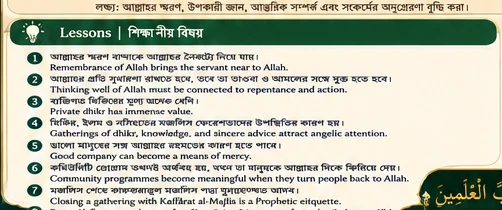
- ১আল্লাহর স্মরণ বান্দাকে আল্লাহর নৈকট্যে নিয়ে যায়।
Remembrance of Allah brings the servant near to Allah. - ২আল্লাহর প্রতি সুধারণা রাখতে হবে, তবে তা তাওবা ও আমলের সঙ্গে যুক্ত হতে হবে।
Thinking well of Allah must be connected to repentance and action. - ৩ব্যক্তিগত যিকিরের মূল্য অনেক বেশি।
Private dhikr has immense value. - ৪যিকির, ইলম ও নসিহতের মজলিস ফেরেশতাদের উপস্থিতির কারণ হয়।
Gatherings of dhikr, knowledge, and sincere advice attract angelic attention. - ৫ভালো মানুষের সঙ্গ আল্লাহর রহমতের কারণ হতে পারে।
Good company can become a means of mercy. - ৬কমিউনিটি প্রোগ্রাম তখনই অর্থবহ হয়, যখন তা মানুষকে আল্লাহর দিকে ফিরিয়ে দেয়।
Community programmes become meaningful when they turn people back to Allah. - ৭মজলিস শেষে কাফফারাতুল মজলিস পড়া সুন্নাহসম্মত আদব।
Closing a gathering with Kaffārat al-Majlis is a Prophetic etiquette. - ৮দারসুল হাদিস শুধু জ্ঞান দেওয়ার আয়োজন নয়, বরং হৃদয়কে আল্লাহর দিকে ফিরিয়ে নেওয়ার মাধ্যম।
Darsul Hadith is not only a transfer of knowledge. It is a means of returning the heart to Allah.
উপসংহার · Conclusion
আজকের হাদিস আমাদের শেখায়, আল্লাহকে স্মরণ করা কোনো ছোট আমল নয়। বান্দা যখন আল্লাহকে স্মরণ করে, আল্লাহ তাকে স্মরণ করেন। বান্দা যখন আল্লাহর দিকে অল্প এগিয়ে যায়, আল্লাহ তার প্রতি আরও বেশি রহমত নিয়ে অগ্রসর হন। ব্যক্তি জীবন, পারিবারিক জীবন, মসজিদ, কমিউনিটি এবং সামাজিক আয়োজন, সবকিছুতে আল্লাহর স্মরণকে জীবিত করা প্রয়োজন।
আমরা যেন এমন মানুষ হতে পারি যারা একা আল্লাহকে স্মরণ করে, পরিবারে আল্লাহর স্মরণ জাগ্রত করে, সমাজে কল্যাণকর মজলিস গড়ে তোলে এবং প্রতিটি সমাবেশকে আল্লাহর সন্তুষ্টির মাধ্যম বানায়।
This hadith teaches that remembering Allah is not a minor act. When the servant remembers Allah, Allah remembers the servant. When the servant moves even a little towards Allah, Allah responds with greater mercy. Our personal lives, families, mosques, community programmes, and social gatherings should all be revived through the remembrance of Allah.
May Allah make us among those who remember Him privately, revive His remembrance in our homes, build beneficial gatherings in our communities, and turn every gathering into a means of seeking His pleasure.
آمِين يَا رَبَّ الْعَالَمِينَ
Send a Comment
Your comment will be sent privately to the MCC Newsletter team and will not be published on the website.